EN DE

Audi A4 40 TFSI B9

2018-2024Last reviewed: March 2026 · How this report is builtMarch 2026

2018-2024 · 2.0 TFSI 190 PS (140 kW) EA888 Gen 3B turbocharged petrol
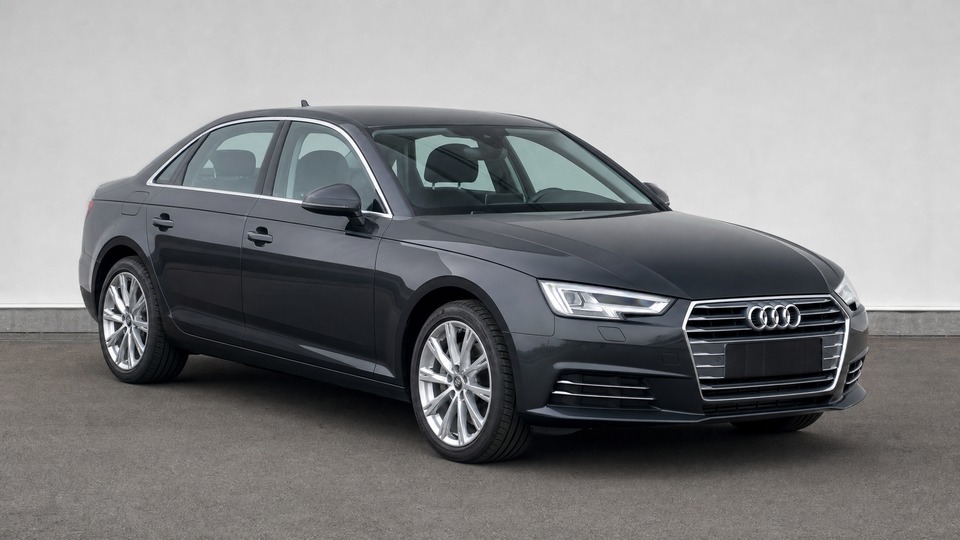
The B9 A4 40 TFSI is Audi's efficiency-tuned variant of the 2.0 TFSI, using Miller-cycle combustion to extract better fuel economy from the proven EA888 platform. Positioned in the competitive D-segment alongside the BMW 3 Series and Mercedes-Benz C-Class, it offers a refined cabin, good technology, and reasonable running costs for a premium sedan. The B9 generation is widely considered the most reliable A4 to date, though the water pump/thermostat assembly and carbon buildup on intake valves remain areas that need monitoring.

Proven EA888 engine platform Well-built interior, refined ride
Water pump/thermostat fails early Carbon buildup needs periodic cleaning
Buy if: You want a refined premium sedan with reasonable running costs and can commit to regular maintenance including coolant system checks.
Avoid if: You only do short urban trips (carbon buildup accelerates) or want minimal maintenance costs compared to Japanese alternatives.
Expected Annual Maintenance Costs
€900 - €1,650/year
15,000 km/year
Fixed costs
€550-950
Risk buffer
€350-700

Compare

Audi A4 B9 2.0 TDI 2015-2024 Diesel sibling on same platform. Adds DPF and AdBlue system concerns but avoids carbon buildup. Higher fixed costs due to diesel-specific maintenance. Audi A3 8V 1.4 TFSI 2012-2020 Smaller Audi with similar EA211 turbo petrol. Cheaper to run but less refined. Timing chain and turbo actuator are the main weak points. Audi A4 B7 2.0 TFSI 2004-2008 Two generations older with EA113 engine. Significantly more trouble-prone: cam follower wear, PCV failures, and oil sludging are widespread. Audi A4 B6 1.8T 2001-2004 Classic A4 with the legendary 1.8T. Much older and cheaper, but oil sludge and timing belt issues are common. Higher maintenance burden overall. Audi A1 GB 30 TFSI 2018-present Entry-level Audi with 1.0 TFSI three-cylinder. Much cheaper to run with fewer reported issues but a very different class of car.
Known Issues most common first
Water pump and thermostat housing failure €900 - 1,600
Plastic thermostat housing cracks or water pump seals fail, typically between 60,000-100,000 km · more· less
The EA888 Gen 3B uses an integrated water pump and thermostat housing made of plastic. The O-ring seal swells from oil exposure over time, and the plastic housing can crack under thermal stress. Symptoms include coolant loss, overheating warnings, and puddles under the car. This is the most commonly reported issue on B9 2.0 TFSI engines. The water pump and thermostat should be replaced together due to the integrated design. Independent shops charge €900-1,200 (parts €400-600, labor approximately 3.5 hours), while Audi dealers quote €1,400-1,600. Upgrading to an aluminium aftermarket water pump (GRAF or similar) improves durability.
Carbon buildup on intake valves €700 - 1,200
Direct injection causes carbon deposits on intake valves, leading to rough idle and power loss · more· less
All direct-injection TFSI engines are susceptible to carbon buildup on the intake valves. Because fuel is injected directly into the combustion chamber rather than over the intake valves, carbon from crankcase vapours accumulates on valve surfaces over time. This is not a defect but a characteristic of the technology. Symptoms appear gradually: hesitation during acceleration, slight rough idle, and minor power loss. Walnut blasting is the standard solution and should be budgeted every 80,000-120,000 km. Short trips and city driving accelerate the buildup. Independent specialists charge €700-1,000 for walnut blasting, Audi dealers €1,200-2,000. Chemical cleaning products are generally ineffective.
S-tronic (DL382) mechatronics and clutch wear €1,200 - 3,500
7-speed dual-clutch gearbox develops jerky shifts or mechatronic faults, typically after 60,000 km · more· less
The DL382 wet-clutch S-tronic in the B9 A4 is more reliable than the older DQ200 dry-clutch unit but still develops issues. Common symptoms include jerky first-to-second gear shifts, delayed engagement from standstill, and occasional fault codes. The mechatronic unit (electronic valve body) can fail, causing erratic shifting or gear disengagement. Problems typically appear between 60,000-100,000 km. Regular gearbox fluid changes every 60,000 km significantly reduce the risk. Audi officially considers the fluid a lifetime fill, but specialists unanimously recommend changing it. Mechatronic repair costs €1,200-2,000 at specialists, full gearbox rebuild €2,500-3,500. Manual gearbox variants are not affected.
Timing chain tensioner oil bleed-down (early models) €1,500 - 2,500
Check valve in tensioner loses oil pressure overnight, causing brief cold-start rattle · more· less
Early B9 models (2016-2018) used timing chain tensioners with check valves that could leak down oil pressure while the engine was off. This produces a brief metallic rattle lasting 1-3 seconds on cold startup. While Audi technicians sometimes describe this as normal, persistent rattle exceeding a few seconds indicates a worn tensioner that should be replaced. If ignored, the chain can jump timing and cause valve-to-piston contact. The tensioner has been updated in later production. Replacement at an independent shop costs €1,500-2,000 (chain, guides, tensioner, and sprockets), Audi dealers charge €2,200-2,500. Since the 40 TFSI designation started from late 2018, most 40 TFSI cars have the updated part, making this primarily a concern for the earliest examples.
PCV valve / pressure regulator failure €250 - 450
Internal diaphragm splits, causing rough idle, oil leaks, and boost loss · more· less
The PCV (positive crankcase ventilation) valve contains a rubber diaphragm that deteriorates over time, typically between 70,000-120,000 km. When the diaphragm splits, symptoms include rough idle, a hissing noise from the engine bay, increased oil consumption, and a check engine light with lean/rich mixture codes. In some cases, boost pressure leaks past the failed valve, causing power loss. The valve itself costs €50-80 for an OEM part, but labor requires removing intake components. Total repair at an independent shop is €250-350, Audi dealers charge €350-450. Use quality OEM or Hengst replacement parts as cheap aftermarket PCV valves tend to fail quickly.
Front control arm bushing wear €600 - 1,200
Multi-link front suspension bushings wear out, causing vague steering and uneven tyre wear · more· less
The Audi A4 B9 uses a complex multi-link front suspension with aluminium control arms. The rubber bushings in these arms gradually wear, particularly on cars driven frequently on rough roads or with sporty driving. Symptoms include a feeling of vagueness in the steering, clunking over bumps, and uneven tyre wear on the inner edges. Worn bushings typically become noticeable between 80,000-120,000 km. Most mechanics recommend replacing the complete control arm rather than pressing in new bushings, as the labour difference is minimal. A full set of front control arms costs €400-600 in parts, with labor of €200-400. Audi dealers quote significantly more (€1,500-3,000 for a complete front end refresh).
Turbo wastegate rattle €100 - 500
Wastegate arm bushing wears, causing a rattle during acceleration between 1,800-3,000 RPM · more· less
The wastegate actuator on the EA888 turbocharger develops a rattle as the internal bushing wears. This is audible during acceleration, particularly in the 1,800-3,000 RPM range. While cosmetically annoying, it does not immediately affect performance. Volkswagen issued a Technical Service Bulletin (TSB 2024061) recommending installation of a rattle clip (part 06J145220A) to eliminate the noise. This is a simple and inexpensive fix costing under €100 at most shops. If the actuator itself has failed mechanically, replacement costs €300-500 at an independent shop.
Reliable for its class, but coolant system and carbon buildup need attention
The B9 A4 40 TFSI is one of the more dependable premium sedans in its segment. The EA888 Gen 3B engine is well-proven across the Volkswagen Group, and most known issues are manageable if caught early. The water pump/thermostat housing is the most common failure point and should be proactively monitored. Carbon buildup is inherent to all direct-injection engines and should be treated as a planned maintenance item. S-tronic gearbox reliability is acceptable if the fluid is changed regularly, despite Audi's lifetime-fill claim. Overall running costs are moderate for a premium German sedan.
Pre-Purchase Inspection Checklist
General checks
Specific for this vehicle
+ 3 more checksShow less
  • Check for rough idle or hesitation
    At idle and during gentle acceleration, any roughness or hesitation may indicate carbon buildup on intake valves or a failing PCV valve.
  • Inspect front suspension for play
    Rock the steering wheel gently at standstill and listen for clunks. Check inner tyre edges for uneven wear.
  • Verify passenger airbag recall completed
    2017-2020 models were recalled for seat heater cable causing passenger airbag deactivation. Confirm completion with Audi dealer using VIN.
Recalls and Technical Service Bulletins
Passenger occupancy detection system / seat heater cable fault (2017-2020 A4 models) Verify completed
Airbag deployment malfunction (certain 2017 A4 models) Verify completed
Seat belt pretensioner activation fault (certain 2017 A4 models) Verify completed
Coolant pump overheating risk (2013-2016 models with 2.0 TFSI) Verify completed — applies to earliest B9 production only
Contact an Audi dealer with the VIN to verify all recall campaigns have been completed. The passenger occupancy sensor recall (2017-2020) is particularly important as it can disable the passenger airbag.
Warranty Status
Factory warranty (2 years) Expired on most used examples
Rust perforation warranty (12 years) May still be active on 2018+ cars
Extended warranty (Audi Garantie) Available through Audi dealers, various terms
All pre-2024 A4 40 TFSI models are outside or nearing the end of their original 2-year factory warranty. Audi offers extended warranty packages through dealers. The 12-year rust perforation warranty may still apply to newer examples.

How this report is built · Suggest a correction

This report is for informational purposes only and does not constitute professional advice. Estimates may be inaccurate. Always have a qualified specialist inspect the vehicle before purchase. We accept no liability for decisions made based on this information.

Share via WhatsApp