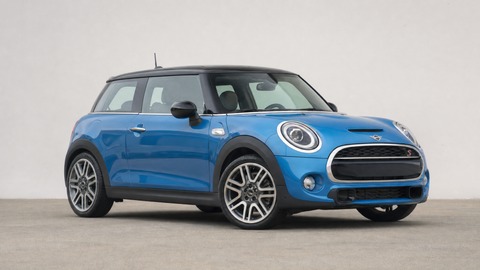
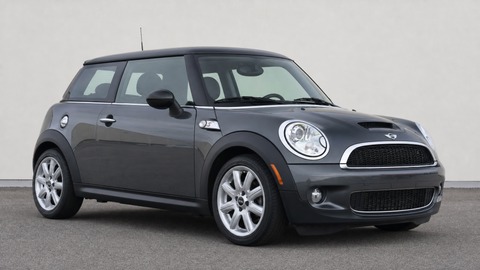
Premium British-designed compact wagon with BMW engineering. Popular choice for young professionals who want practicality with personality. The B48 engine is generally reliable but watch for timing chain tensioner wear, turbo wastegate actuator failures, and oil consumption. The 7-speed dual-clutch automatic is less robust than the manual gearbox. Not as sharp as a Golf GTI but more characterful, with better refinement than smaller Mini models thanks to multi-link rear suspension. Verify airbag recalls and ensure service history shows regular oil changes - Mini's recommended 24,000-30,000 km intervals are too long for longevity.
Actuator sticks from gentle driving, causes drivetrain warning and limp mode · more· less
Common issue where the wastegate actuator sticks, particularly if the car is driven gently or only for short trips as carbon builds up. Symptoms include EPC/drivetrain warning light and limp mode. The dealer diagnosis recommends replacing the whole turbo unit at €2,700+ for parts alone, as the actuator cannot be purchased separately. However, specialists can sometimes calibrate or repair for €275-600. Some owners find the issue is just worn linkage and solve it with a washer. Using premium fuel and occasional spirited driving helps prevent carbon buildup.
The B48 engine uses timing chains instead of belts, but the tensioner has a release valve that weakens over time, allowing oil pressure to bleed off overnight. This causes a distinctive rattle for 1-30 seconds on cold start, typically appearing between 60,000-100,000 km. If the rattle persists beyond a few seconds, the chain, guides, tensioner, and sprockets all need replacing. The 2018+ B48TU revision improved this with a new one-part timing chain design. Ignoring prolonged rattle can lead to chain skip and catastrophic valve/piston contact. Job requires engine removal or transmission removal for access, making labor costs high.
The 7-speed Aisin dual-clutch automatic transmission suffers from mechatronics unit failures, shift solenoid issues, and premature wear. Owners report drivetrain error messages requiring transmission oil changes at low mileages (18,000-30,000 km) costing €240+ at dealers. While BMW claims the fluid is "lifetime," Aisin (the manufacturer) recommends changes every 20,000 miles. Common symptoms include jerky shifts, hesitation, clunking, and the engine revving without the car moving. Manual transmission models are significantly more reliable and recommended if available.
Oil filter housing crack and coolant leak€800 - €1,500
Plastic housing with integrated intercooler cracks between 50,000-100,000 km · more· less
The B48 engine's oil filter housing is integrated with the intercooler and made of plastic, which commonly cracks and creates coolant or oil leaks around the 50,000-100,000 mile mark. The part itself is relatively affordable but accessing it requires extensive disassembly, resulting in labor costs around €1,200 total. This is a known weak point reported frequently by high-mileage B48 owners. Watch for coolant loss, oil-coolant mixing, or coolant warning lights.
VANOS solenoid clogging€250 - €600
Variable valve timing solenoids clog with oil sludge at 50,000-70,000 km causing rough running · more· less
The VANOS (variable valve timing) solenoids become clogged with debris and oil sludge typically between 50,000-70,000 km. The rubber o-rings can also fail over time. When solenoids fail, oil pressure is lost and camshafts stick in a fixed position, causing rough engine running and check engine light. Symptoms include poor performance, rough idle, and loss of power. The solenoids are relatively inexpensive (€100 each, two required) and can be cleaned as a 30-minute DIY job. Replacement at a dealer costs €250-600 including labor. Regular oil changes with quality synthetic oil help prevent this issue.
Water pump and thermostat housing failure€600 - €1,400
Electric water pump integrated with thermostat commonly fails at 70,000-100,000 km · more· less
The TSI/B48 engine uses an electric water pump integrated with the thermostat housing, and failures are common between 70,000-100,000 km. This is considered a design flaw that leads to premature failure. Symptoms include coolant warning light, engine overheating, or poor cabin heating. The trouble is there's no temperature gauge on these cars, just a warning light - so by the time the light comes on, the engine may have already gotten dangerously hot and suffered damage. The integrated part costs €400-500 and requires approximately 6 hours labor due to poor accessibility. Watch coolant level carefully and address leaks immediately.
Engine oil consumption and leaks€150 - €1,200
Valve cover gasket leaks, excessive oil consumption between changes on some units · more· less
B48 owners may notice faster-than-normal oil consumption with no specific single cause - many points can leak or burn oil. Common sources include valve cover gasket leaks (the gasket becomes brittle from heat and age), turbo oil feed lines, and piston ring blow-by. Consumption of 1 liter per 700 miles is considered severe. Valve cover replacement can cost €150-400 for DIY or €600+ at dealers. A leak-down test (€100-150) can determine if oil is bypassing rings and burning. Check oil level regularly and investigate any leaks immediately. Most B48 engines remain reliable, but regular oil changes with quality synthetic are essential.
Carbon buildup on intake valves€700 - €1,200
Direct injection engines build carbon deposits, requires walnut blasting every 50,000-80,000 km · more· less
The B48 uses direct injection, which bypasses the intake valves with fuel spray that would normally keep them clean. Over time, oil vapor from the PCV system bakes onto the valve backs, reducing performance and causing rough idle, misfires, and loss of power. Walnut shell blasting is the preferred cleaning method - crushed walnut shells are blasted at the valves to remove carbon without damaging surfaces. Dealers charge €900-1,200, while specialists offer the service for €700-900. This is considered scheduled maintenance every 50,000 km for stock vehicles, more frequently for modified engines. Catch cans can reduce buildup rate but don't eliminate the issue.
Electronic parking brake caliper motor failure€200 - €600
Electric motor in brake caliper fails, brake won't engage or disengage · more· less
The F54 Clubman uses an electronic parking brake system (new for this generation), where electric motors in the rear brake calipers actuate the parking brake. Common failures include the electric motor seizing or the mechanism becoming stuck. Symptoms include warning lights, inability to engage or disengage the parking brake, and error codes pointing to caliper motor faults. Rear caliper replacement costs €505 for both sides including labor. Sometimes it's just a software issue that can be reset at the dealer. Cables can also seize over time. This is more complex than traditional handbrake cables and requires diagnostic equipment for repair.
ALL4 transfer case and Haldex maintenance (if equipped)€400 - €2,200
AWD system requires regular fluid changes despite dealer claims of "lifetime" fluid · more· less
The ALL4 system uses a Haldex Gen 5 unit for rear power distribution and a front transfer case. Many ALL4 cars reach high mileage (150,000+ km) without servicing these components because dealers claim "lifetime" fluid. However, the front transfer case fluid gets very dirty quickly, and servicing is recommended every 40,000-60,000 km. The official service procedure is complex - requiring driveshaft removal and lowering the entire differential. Tire tread disparity can cause costly AWD system damage. Transfer case failures at 28,000 miles with repair costs over £2,100 have been reported. Independent specialists can service for €400-600, while dealer failures requiring replacement can exceed €2,200.
Decent reliability for a premium compact, but maintenance is crucial
The F54 Clubman with B48 engine is more reliable than earlier Mini generations, but it's essentially a BMW and requires BMW-level maintenance. The engine is robust when serviced properly, but extended oil change intervals and short trips accelerate wear. The manual gearbox is significantly more reliable than the automatic. Most issues can be caught early with proper inspection. Avoid cars with incomplete service history or evidence of short-trip-only use.
Pre-Purchase Inspection Checklist
General checks
Service history
Complete Mini dealer or BMW specialist records essential. Verify oil changes more frequent than 24,000 km intervals - ideally every 10,000-15,000 km with quality synthetic oil.
Tires
Check tread depth (minimum 3mm), age (not older than 6 years), and uneven wear. For ALL4 models, all four tires must have similar tread depth to avoid expensive AWD system damage.
Cold start
CRITICAL: Engine must be completely cold. Listen carefully for timing chain rattle in first 30 seconds. Any rattle lasting more than 2-3 seconds is a red flag requiring timing chain replacement.
Body condition
Check barn door edges for scuffs (easy to hit walls when opening), wheel arch rust (less common on F54 than earlier Minis), paint condition, and accident damage.
Test drive
Minimum 20 minutes including varied speeds and temperatures. For automatic models, drive at least 15 minutes to get transmission fully warm before evaluating shift quality.
Specific for this vehicle
Cold start timing chain rattle test
Most important check. Start engine completely cold and listen for rattle in first 30 seconds. Brief rattle (1-2 seconds) can be normal, but prolonged rattle indicates chain/tensioner wear requiring €1,200-2,500 repair.
Check for drivetrain warning lights
Drive the car for 15+ minutes and watch for EPC or drivetrain error lights. If they appear with loss of power, suspect turbo wastegate actuator or transmission issues.
Inspect for oil and coolant leaks
Check valve cover gasket area (top of engine), oil filter housing (passenger side), turbo oil lines, and coolant hoses. Look under the car for drips or oil residue on the undertray.
Test automatic transmission thoroughly (if equipped)
Drive for 15+ minutes to reach operating temperature. Feel for jerky shifts, hesitation, clunking, or slipping. Ask about transmission fluid service history - should be changed every 40,000-60,000 km despite "lifetime" claims.
Verify all recalls completed
Use VIN to check with Mini dealer. Key recalls: airbag deployment (2016-2017), turn signal/brake light (2016-2017), and 2024 braking system IBS recall. Request written proof.
Check electronic parking brake operation
Test parking brake engage and disengage multiple times. Listen for unusual noises from rear calipers. Check for warning lights or error messages.
Inspect for excessive oil consumption
Check oil level on dipstick. Ask owner about oil top-ups between services. Consumption of more than 1L per 10,000 km indicates issues - piston rings or valve seals.
ALL4 system check (if equipped)
Verify transfer case and Haldex fluid have been serviced. Check all four tires have similar tread depth (within 2mm). Test 4WD operation on slippery surface if possible. Ask about any AWD warning lights.
Check service interval display
If showing 24,000-30,000 km intervals, this is too long for engine longevity. Prefer cars with evidence of more frequent oil changes (10,000-15,000 km).
Inspect headlights for excessive condensation
Minor condensation that clears within 20 minutes of driving is normal, but pooling water or persistent fog indicates seal failure requiring headlight replacement.
Recalls and Technical Service Bulletins
Front seat side airbag deployment (2016-2017)Verify completed
Integrated Braking System (IBS) failure (2024 recall)Critical - verify completed
1.5L petrol crankshaft bearing wear (if 1.5L engine)Check with dealer
Contact a Mini dealer with the VIN to verify all recalls have been completed. The 2024 IBS braking system recall is particularly important as it affects 1.5 million BMW/Mini vehicles worldwide and involves loss of power braking assistance. Request written proof of completion for your records.
Warranty Status
Factory warranty (2 years unlimited km)Expired on 2015-2022 models
Rust perforation warranty12 years from new
Extended warranty availableThrough Mini dealers
All F54 Clubman models from 2015-2022 are now outside their original 2-year factory warranty. Mini offers extended warranty coverage through dealerships. The rust perforation warranty covers corrosion from inside-out for 12 years, but not surface rust from stone chips or external damage. When buying from independent dealers, extended warranty may be worth considering given repair costs for BMW/Mini vehicles.
This report is for informational purposes only and does not constitute professional advice. Estimates may be inaccurate. Always have a qualified specialist inspect the vehicle before purchase. We accept no liability for decisions made based on this information.