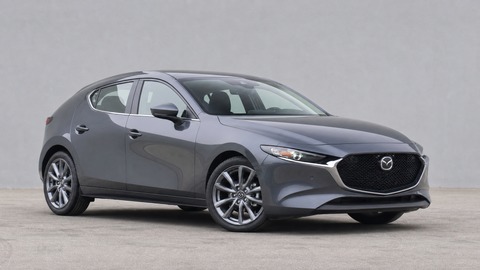
Mazda 3 2.0 SkyActiv-G BM
2013-2019Last updated: March 2026
2013-2019 · 2.0 PE-VPS Skyactiv-G (120-165 hp) 4-cylinder naturally aspirated petrol
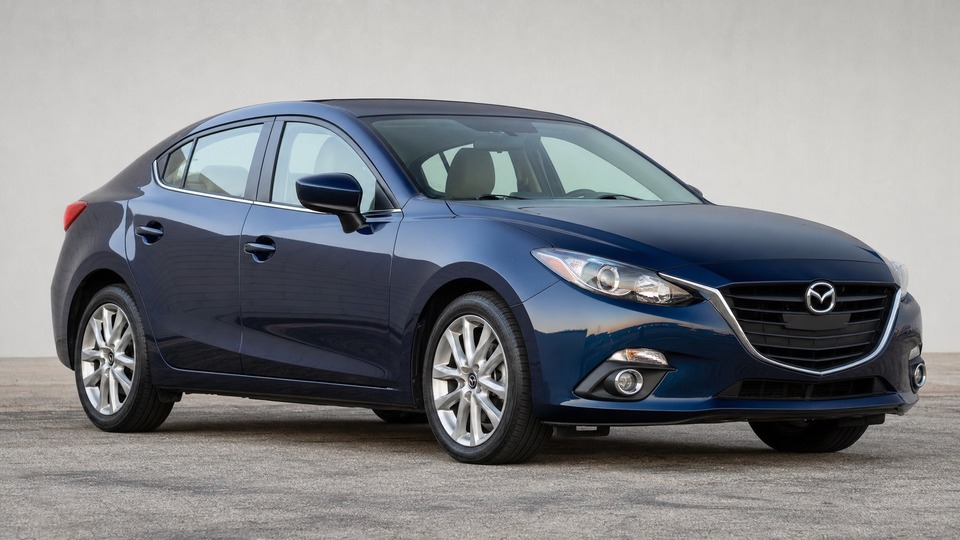
The third-generation Mazda 3 brought the Skyactiv platform to the compact segment, pairing a naturally aspirated 2.0 direct-injection engine with a timing chain and conventional 6-speed transmissions. Build quality is above average for the class, handling is excellent, and the engine is one of the most reliable in this segment. No turbo, no timing belt, no complex dual-clutch gearbox to worry about.
Very reliable NA engine
Excellent handling and build quality
Touchscreen delamination (2014-16)
Carbon buildup on intake valves
Buy if: You want a reliable, fun-to-drive compact with low running costs and can live with modest power from the naturally aspirated engine.
Avoid if: You need strong overtaking performance or are looking at a 2014-2016 model with a delaminating touchscreen you are not prepared to fix.
Expected Annual Maintenance Costs
Known Issues most common first
Direct injection allows carbon deposits on intake valves, causing rough idle and reduced power after 100,000+ km · more· less
Like all gasoline direct injection engines, the 2.0 Skyactiv-G sprays fuel directly into the combustion chamber rather than over the intake valves. Oil vapour from the PCV system coats the intake valve stems and hardens into carbon deposits over time. Symptoms typically appear between 100,000-150,000 km: rough idle, slight misfires, hesitation on cold starts, and increased fuel consumption. Mazda incorporated design features to reduce buildup (improved oil separator, high valve temperatures from the 13:1 compression ratio), so the issue is generally less severe than in some other GDI engines. Walnut blasting to clean the valves costs approximately €300-500 at a specialist. Replacing or cleaning the PCV valve at around 80,000 km helps slow the progression. Cars driven primarily on short urban trips accumulate carbon faster. Regular highway driving at higher RPM helps delay the onset.
Adhesive layer between touchscreen and digitizer fails, causing spider cracks, dead zones, and phantom inputs · more· less
On 2014-2016 BM models, the Mazda Connect touchscreen is prone to delamination caused by repeated hot/cold cycles degrading the adhesive between the glass and the digitizer. The ITO (Indium Tin Oxide) film corrodes from moisture ingress during manufacturing, allowing electrostatic capacity to vary without user input. This causes ghost touches (the screen operates by itself), dead zones, and visible spider-web cracks. Mazda extended warranty coverage to 7 years from the original purchase date, but all 2014-2016 models are now beyond this period. Full CMU (Connectivity Master Unit) replacement at a Mazda dealer costs approximately €600-800. However, the digitizer alone can be replaced using aftermarket parts for €20-40, making a DIY fix very affordable. The 2017+ facelift models use improved adhesive and are far less affected.
Hydraulic belt tensioner leaks oil and rattles under high temperature and load conditions · more· less
Mazda issued TSB 01-019/19 acknowledging that the hydraulic drive belt auto tensioner can leak oil due to insufficient sealing at the damper under high ambient temperature and high load conditions. Symptoms include a rattling noise on acceleration and visible oil seepage around the tensioner. The modified replacement part (superseded to PE03-15-980C) has improved sealing. Replacement costs approximately €150-350 including the part and about one hour of labor. If the leak goes unaddressed, the serpentine belt can slip and accessories (alternator, power steering, AC compressor) lose function. The issue can appear from around 60,000 km onward.
Internal plastic gears wear out, causing mirrors to stutter, grind, or fail to fold completely · more· less
This is the most commonly reported issue across all Mazda models using power folding mirrors, including the BM Mazda 3. The internal plastic gears degrade from repeated use and moisture ingress. One mirror typically fails first, with the other following within 6-12 months. Symptoms include grinding noises, stuttering, and incomplete folding. A full mirror assembly replacement at a Mazda dealer costs €350-500 per side. However, aftermarket repair kits with upgraded metal gears are available for €15-30 and can be fitted at a local garage for under €100 total. Disabling the auto-fold function via the mirror switch extends gear lifespan significantly.
Rear springs corrode and crack at the lower coil, causing knocking noise and uneven ride height · more· less
Mazda issued a TSB acknowledging that rear coil springs can break at their lower side due to corrosion from dust and moisture trapped between the spring and the spring sheet. The right rear spring is most commonly affected. Symptoms include a knocking noise from the rear and the car sitting lower on one side. Mazda revised the spring shape in later production runs. Replacement costs approximately €200-400 for a pair of springs including labor. The issue primarily affects cars driven in regions with road salt and is most common on 2013-2015 production models. Always inspect the rear springs from below during a pre-purchase inspection.
Debris lodges in the oil pump relief valve, causing low oil pressure warning and potential engine damage · more· less
Mazda issued TSB 01-009-14 for the Skyactiv-G 2.0 where foreign debris can become stuck on the oil pump pressure relief valve, causing a drop in oil pressure. If the oil pressure light illuminates, the engine must be stopped immediately to prevent bearing damage. The repair involves replacing the oil pump, oil strainer, and cleaning the oil pan. This costs approximately €400-800 at a specialist. The issue primarily affects early 2012-2014 engines and is relatively uncommon. Using the correct Mazda-specified oil filter is critical, as some aftermarket filters do not provide adequate flow and filtration for this engine. Regular oil changes with quality 0W-20 oil reduce the risk.
One of the most reliable compacts of its generation
The Mazda 3 BM with the 2.0 Skyactiv-G engine is an exceptionally reliable car. The naturally aspirated engine avoids the turbocharger-related failures common in competitors, uses a maintenance-free timing chain, and pairs with a conventional 6-speed manual or torque-converter automatic. Most reported issues are minor: mirror gears, touchscreen delamination on early models, and belt tensioner leaks. Carbon buildup is inherent to all direct-injection engines but is less severe on the Skyactiv than many competitors. With regular maintenance and quality oil, many owners report trouble-free motoring well beyond 200,000 km.
Pre-Purchase Inspection Checklist
-
Service history
Complete Mazda dealer or specialist records essential. Verify oil changes every 12 months or 20,000 km with 0W-20 specification oil.
-
Tires
Check tread depth, age (date codes on sidewall), and uneven wear. Standard size is 205/60R16 or 215/45R18 depending on trim.
-
Cold start
Start engine completely cold. Listen for unusual rattling or ticking in the first 30 seconds. Should idle smoothly.
-
Test drive
Minimum 20 minutes including varied speeds. Check for smooth acceleration, no warning lights, and no unusual vibrations.
-
Test the touchscreen thoroughly (2014-2016)
Press all areas of the screen. Check for dead zones, ghost inputs, or visible spider-web cracks under the surface. This is the most common issue on early BM models.
-
Test both power folding mirrors
Fold and unfold mirrors 3-4 times using the switch. Listen for grinding, stuttering, or incomplete folding.
-
Inspect belt tensioner for oil leak
Look around the serpentine belt tensioner on the front of the engine for oil seepage. Listen for rattle during acceleration.
Recalls and Technical Service Bulletins
Windscreen wiper relay failure in F-BCM (Jul 2015 - Jul 2017 production) - wipers may become inoperable
Verify completed
Denso low-pressure fuel pump impeller defect (2018 models) - fuel pump may fail causing engine stall
Verify completed
Engine protection software update (Apr 2015 - Nov 2017) - software may not prevent over-revving
Verify completed
Takata airbag inflator (varies by production date and market)
Verify completed
Contact a Mazda dealer with the VIN to verify all recalls have been completed. The windscreen wiper relay recall is safety-critical as wipers may fail in rain. The fuel pump recall primarily affects 2018 models.
Warranty Status
Factory warranty (3 years / 100,000 km)
Expired on all BM models
Touchscreen extended warranty (7 years)
Expired on 2014-2016 models
Rust perforation warranty (12 years)
May still apply on 2014+ models
All Mazda 3 BM models are outside their original 3-year / 100,000 km factory warranty. The touchscreen delamination extended warranty (7 years) has also expired for all 2014-2016 models. The 12-year rust perforation warranty may still cover 2014-2019 models for bodywork corrosion.
This report is for informational purposes only and does not constitute professional advice. Estimates may be inaccurate. Always have a qualified specialist inspect the vehicle before purchase. We accept no liability for decisions made based on this information.